Reading
Security and power
On this view, the meeting matters because neighbours, not Washington, are starting to balance one another.
Geopolitics & money, explained calmly

The Iran war, explained
On 26 October, three of Iran’s neighbours sent top security officials to Tehran, and Robert Pape, Professor of Political Science at the University of Chicago and Director of its Chicago Project on Security and Threats (CPOST), sees the first pieces of a way out of the war. Separately, unnamed sources say an Israeli strike was discussed and held back; Israel’s government denies it.
Updated Friday 30 October 2026. All times are Paris time. Figures are dated in the text.
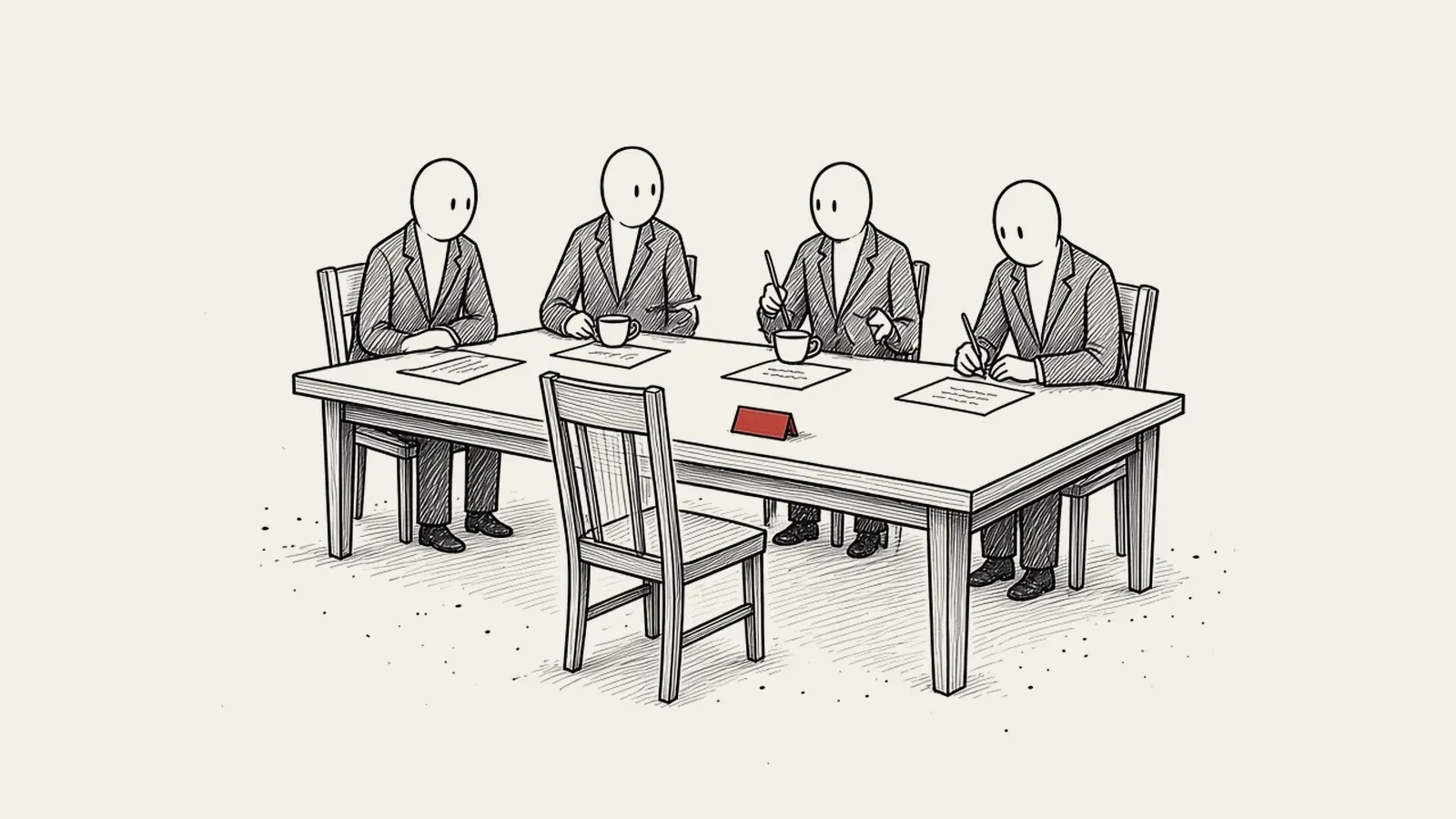
On Monday 26 October, Saudi Arabia’s Minister of Defense, Prince Khalid bin Salman, Pakistan’s army chief, Field Marshal Asim Munir, and Turkey’s intelligence chief, İbrahim Kalın, met Iran’s President Masoud Pezeshkian and Foreign Minister Abbas Araghchi in Tehran. Pakistan’s interior minister, Mohsin Naqvi, was also seen in Iranian state TV footage (Dawn). Separately, Qatar’s emir and Pezeshkian discussed “the Strait of Hormuz, and energy supplies” in Moscow, the emir’s office said on 27 October (Al Arabiya).
Saudi Arabia said the visit aimed to “de-escalate tensions” and backed the US–Iran mediation run by Qatar and Pakistan (Saudi Press Agency, 26 October). Saudi Arabia, Pakistan and Turkey belong to the Makkah Joint Defence Agreement. The four “agreed to continue the dialogue” but set no date to meet again.
Egypt. Also on 26 October, Egypt’s House of Representatives authorised President Abdel Fattah el-Sisi to “take the necessary measures to support” Saudi Arabia’s defence, in coordination with Riyadh. This is a mandate, permission to act if needed, not an aid package: no troops or specific aid were announced (Euronews, 27 October).
Qatar and Hormuz. At its weekly briefing on 27 October, Qatar’s foreign ministry said “messages, proposals and views continued to pass between Washington and Tehran” through its mediation, aiming at a lasting agreement that would safeguard shipping through the Strait of Hormuz, the narrow sea lane Gulf tankers must use. No deal or breakthrough was announced.
From his free introductions only.
In “Is a True Off-Ramp Emerging?” (Escalation Trap), Pape argues the war can’t end until the region agrees on a new balance of power, with the Gulf states and Iran offsetting each other so the US stops doing the heavy lifting. He says its pieces appeared this week for the first time: “No American was in the room.” He forecasts: “Hit it, and this war can end. Miss it, and America climbs the next rung right after Nov. 3.”
His introduction calls Egypt’s vote “military aid” and says Qatar is brokering a Hormuz deal; the official record, above, is narrower.
Every part of this story rests on unnamed sources, and Israel’s government denies it.
The denials. Netanyahu called Channel 12’s report “nonsense”; his office called the reports “complete fake news, from start to finish”. Defence Minister Israel Katz said “Israel had no intention of initiating an attack on Iran before the elections” (26 October). The army said: “Any other discussion is misleading and irrelevant”, neither confirming nor denying the reports. The reports were cleared for publication by the military censor (Times of Israel), so details may be incomplete.
In a second 27 October post, on the halted-strike reports, Pape uses “reportedly” for the push. He says the coverage reads it as “a general standing up to a prime minister” and “misses who actually held the brake”. His answer to that is behind the paywall.
In the final count released overnight on 29–30 October, Netanyahu’s bloc had 53 seats, the opposing bloc 48 and the Arab parties 19; Likud was the largest party, with 27, and parties needed 3.25% of the vote to win seats (Central Elections Committee, via ynet and Times of Israel). These results are provisional until submitted to the president on 4 November; minor corrections are possible. No bloc reached 61, a majority of the 120 seats and a safe margin in a confidence vote; nor did the main TV exit polls, which are projections, not results. Channel 14, seen as pro-Netanyahu, gave his bloc 60 to 62 in exit polls updated overnight, an outlier against 50 in the Kan, Channel 12 and Channel 13 polls (Times of Israel, 27–28 October).
Ways of reading the story (viewpoints, not facts)
Reading
On this view, the meeting matters because neighbours, not Washington, are starting to balance one another.
Reading
On this view, the test is Hormuz: until shipping and oil prices settle, meetings change little.
Reading
On this view, more diplomacy now runs through regional powers such as Qatar, Pakistan, Turkey and Saudi Arabia.
Counterpoint (the official record)
Qatar says ideas are still being exchanged; no breakthrough was announced (27 October).
Where they agree and differ
None treats the meeting as a breakthrough yet; they differ on whether regional talks or conditions at sea decide what follows.
US Election Day (3 November); Israel’s official results (4 November); the new Knesset’s swearing-in (10 November); Qatar’s next weekly briefing; any second meeting of the four (no date set as of 30 October).
This is a background piece; for the latest, see our explainer on Vance’s letter to Iran.
For understanding (educational, not advice)
Gulf oil passes through Hormuz, so a deal could matter for fuel prices.
US regular gasoline averaged $4.27 a gallon in the week of 26 October, $1.23 more than a year earlier (EIA). Brent crude (spot) was $123.10 a barrel on 27 October (EIA).
Food at home cost 1.8% more than a year earlier in September (BLS).
30-year fixed mortgages averaged 7.24% in the week to 29 October (Freddie Mac); savings accounts, 0.38% (FDIC, October).
Regional powers are talking and Qatar is passing messages, but no deal is announced. The halted-strike reports rest on unnamed sources and are denied. Israel’s provisional count gives no bloc a majority.
Reflection Point
Meetings and mediation, but no announced deal.
This is not financial advice.
Every fact is dated and linked; views are labelled as views. Read how we work. Spotted an error? Tell us at [email protected].
Explainer · War and diplomacy
On 28 October, reports said JD Vance had written to Iran about restarting talks. Iranian semi-official media say Tehran has the letter; President Trump says he approved the outreach but calls it help with medical supplies, not talks. Allies were reportedly told to prepare for strikes, and UKMTO reported three incidents near the Strait of Hormuz, the narrow sea lane out of the Gulf, including attacks on two tankers.
Hormuz in plain English
More oil is getting out of the Gulf than in the summer, but attacks on ships, scarce diesel and LNG, and thin stockpiles are keeping prices high.

